
Re-Write Hangover Time! Manuscript Deconstruction Technique in hand, what’s next? What’s your overall re-writing plan?
What parts of your book should you consider pulling out of the overall tapestry , so you can fine tune (or overhaul) your draft into a more magnification whole?

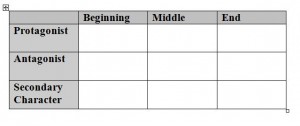
The last few Re-Write Posts (here and here and here), we’ve talked about my “Flag-Flip” technique of isolating a particular element of your story. And you’ve practiced a bit, looking at high-level deconstructions of your protagonist’s emotional arc, and then of a secondary character’s “sub” story. If you’ve done your homework, right? So you have a couple of visual “road maps” now of how better see individual story elements for themselves (the independent who, what, when, where and why), in the midst of your full manuscript.
The goal of these exercises and THIS post? For you to plan your re-write by seeing your work through a different lens–a highly focused, telephoto lens that sees only your reader’s experience of essential story elements. This is so key, my writing friends. Exactly what is someone who doesn’t live in your head experiencing as she reads your story? And how could you know this, if all you were to do was reading your story from beginning to end?
The answer? You COULDN’T.
You have to, once you’ve drafted your story (and we’ll talk drafting soon, in another How You Write blog series), dig into the details. Look carefully and thoughtfully at everything that your patience and trust in the Flag-Flip technique will allow. Work through your “work” during multiple rounds of deconstruction, focusing on different elements each pass, and pealing away the many layers of story–as you’ve created them, rather than as you thought you had or meant to do. Then allowing each to speak to you as they would to a reader, until you see how the story is actually unfolding. THEN–and this is where we’ll end this post, and my re-writing series for now–you’re next step is to come up with a plan for tackling the changes that you’ve discovered need to be made.
But first, as promised, let’s zoom in on additional ways I teach (and coach) authors I work with to isolate even more story elements than we did in previous How You Re-Write posts. Continue reading “How You Re-Write 4: Zoom Into Draft Analysis”




 How You Write